
Shear Force
where systems collide

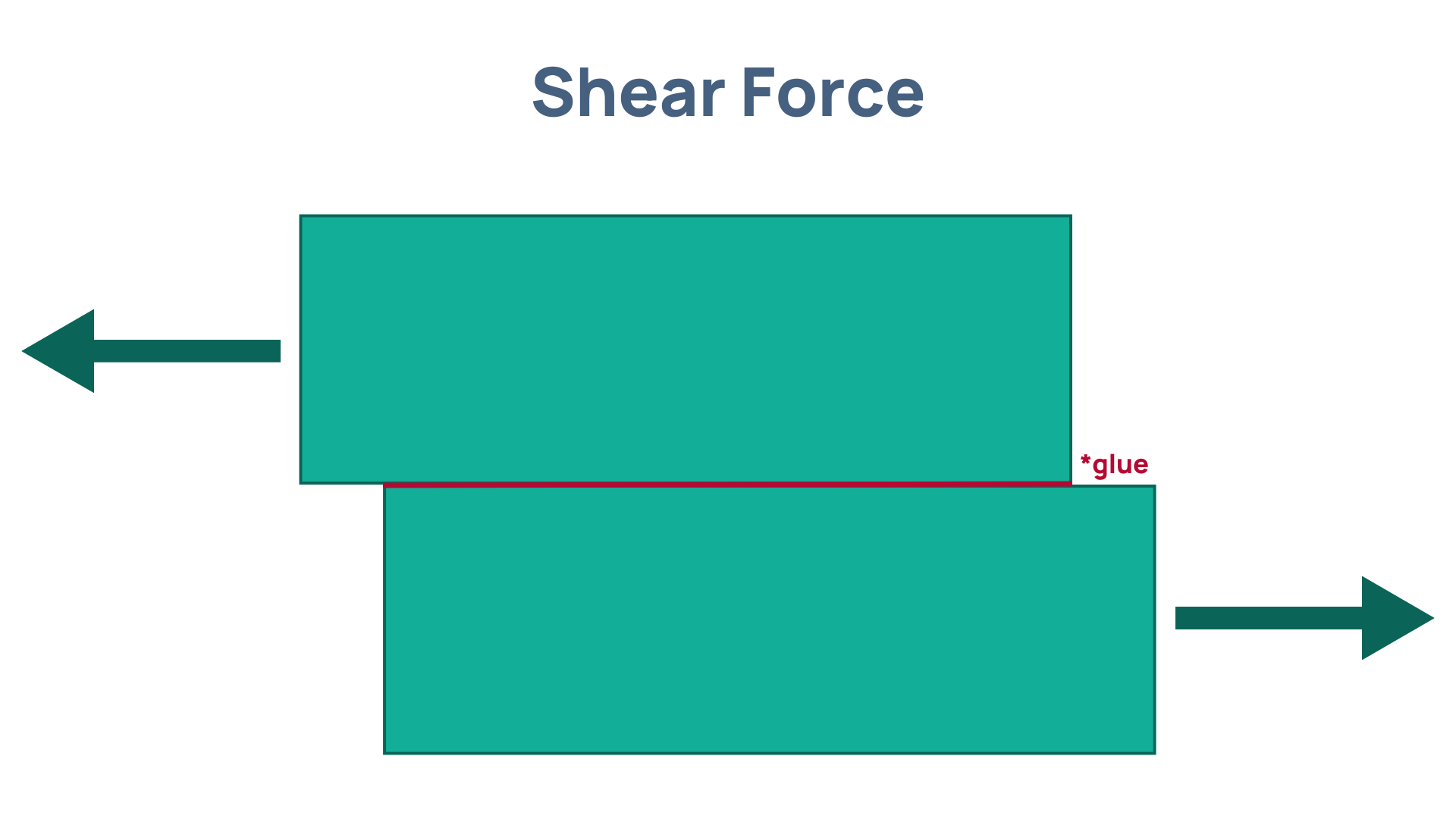
In engineering, shear force is the stress that occurs when two forces move in parallel but opposite directions, causing a structure to deform or slide along a fault line. It’s not the most visible form of stress, but often the most consequential.
That’s the position I’ve found myself in.
I was born in Shanghai and moved to the United States at an early age where my formative years were shaped by American ideals — life, liberty and the pursuit of happiness. I returned to China in 2016, living and working there for the first time as an adult. Over the past decade, I’ve operated at the intersection of the U.S.– China technology and supply chains, working across borders and navigating the structural asymmetries that define both systems. Beyond the boardrooms and factory floors, I also reconnected with my cultural roots as I deepened my understanding of Chinese philosophy, dynastic history, and the civilizational logic that continues to shape its modern governance.
Today, I track global bond and equity markets. Watching in real time how capital flows, policy regimes, and geopolitical ambition collide and converge. In that context, I’ve come to see my perspective not simply as a blend of two systems but as shaped by the tension between them. I am not observing the shear force from a distance. In many ways, I experience it from within.
This publication is where I begin to make that tension useful.
It is not meant to track headlines, but to make sense of the substrate behind them. My goal is to offer context that connects strategy to structure and theory to practice.
Here are few essays currently in development to give you a sense of where this is going:
Understanding China’s military-industrial complex through the restructuring and M&A activities of the “Seven Sons of National Defense” (国防七子) defense SOEs (State-Owned Enterprises), drawing insights from ownership changes, income statements, and procurement trends that reveal about China’s military modernization effort and strategic priorities behind its defense policy.
Uncovering the enduring central - local government power struggle that can be traced back since the unification of China through the lens of tax distribution. This piece will examine how long-standing fiscal tensions help explain the current municipal debt crisis and why reform remains elusive.
Unpacking the trade war as a contest of dual scale in its essence. The United States possesses unmatched scale in consumption, amplified by its reserve currency status and sustained through decades of fiscal expansion and monetary accommodation. China, by contrast, commands the world’s most concentrated production capacity but lacks sufficient domestic demand. In a world moving toward fragmentation and strategic self-reliance, the next hegemon will be the one that can consolidate both sides of the scale within its own system.
On the U.S. side, my inquiry is more open-ended. I don’t come with prescriptions, only a set of questions I believe are worth asking with the humility to sit with complexity.
Is a market-driven approach sufficient to rebuild a resilient industrial base, or have we confused liquidity with capacity? Where along the manufacturing stack are the choke points, and what kinds of capital, governance models, or regional actors are actually equipped to address them?
And if one shares the growing unease with the expanding scope of federal power as I do post 9/11, not just in scale but in intention, then its is worth asking whether we are drifting toward a model that begins to resemble the very command-style economy that we critique, but with an American flair: more bureaucratic layering. In this moment of industrial reawakening, what roles should private sectors and statement governments play? Could a more federated, ground up approach rooted in local expertise and regional alignment offer a necessary counterweight and more adaptive path forward?
Yet this invites a deeper tension. In the face of a long-term, state-coordinated competitor like China, how can we afford not to have a coherent national strategy that aligns foreign policies, industrial goals, fiscal tools across time and sectors?
Beneath it all is a deeper ideological test. It asks if a democratic society can marshal the coordination, discipline, and long-term thinking required to compete with a centralized, state-capitalist system while still defending the civil liberties and the free market that define its very own character.
I don’t have all the answers. But I hope this platform becomes a space to explore them—alongside you. To surface blind spots, pressure-test assumptions, and think more critically about what’s possible.
If you're someone who values structural thinking over surface commentary and wants to understand not just what’s happening, but why, then I invite you to be part of this conversation. We are living through a moment defined by opposing forces that are across systems and ideologies. And it is at this point of friction, this shear force, that the future is being shaped.
This is where the inquiry begins.